Verification of education and experience (including certifications and licenses)
Review of a current motor vehicle report
Requirements
background check
skills assessment
medical exam
drug screening
Criminal Background Check (a criminal conviction is not an automatic bar to employment)
Skills and/or behavioral assessment
Medical examination including a drug and alcohol screening (for safety sensitive positions)
Benefits
Personal interview
Training + Development
Information not given or found
Interview process
skills and/or behavioral assessment
personal interview
verification of education and experience (including certifications and licenses)
criminal background check
medical examination including drug and alcohol screening (for safety‑sensitive positions)
review of a current motor vehicle report
Visa Sponsorship
Information not given or found
Security clearance
criminal background check (a criminal conviction is not an automatic bar to employment)
Company
Overview
Founded 1967
Year Established
The year the Washington Metropolitan Area Transit Authority was created.
90 Stations
Metrorail Stops
Number of stations across the extensive rail network.
100 Miles
Track Network
Total length of Metrorail tracks spanning the region.
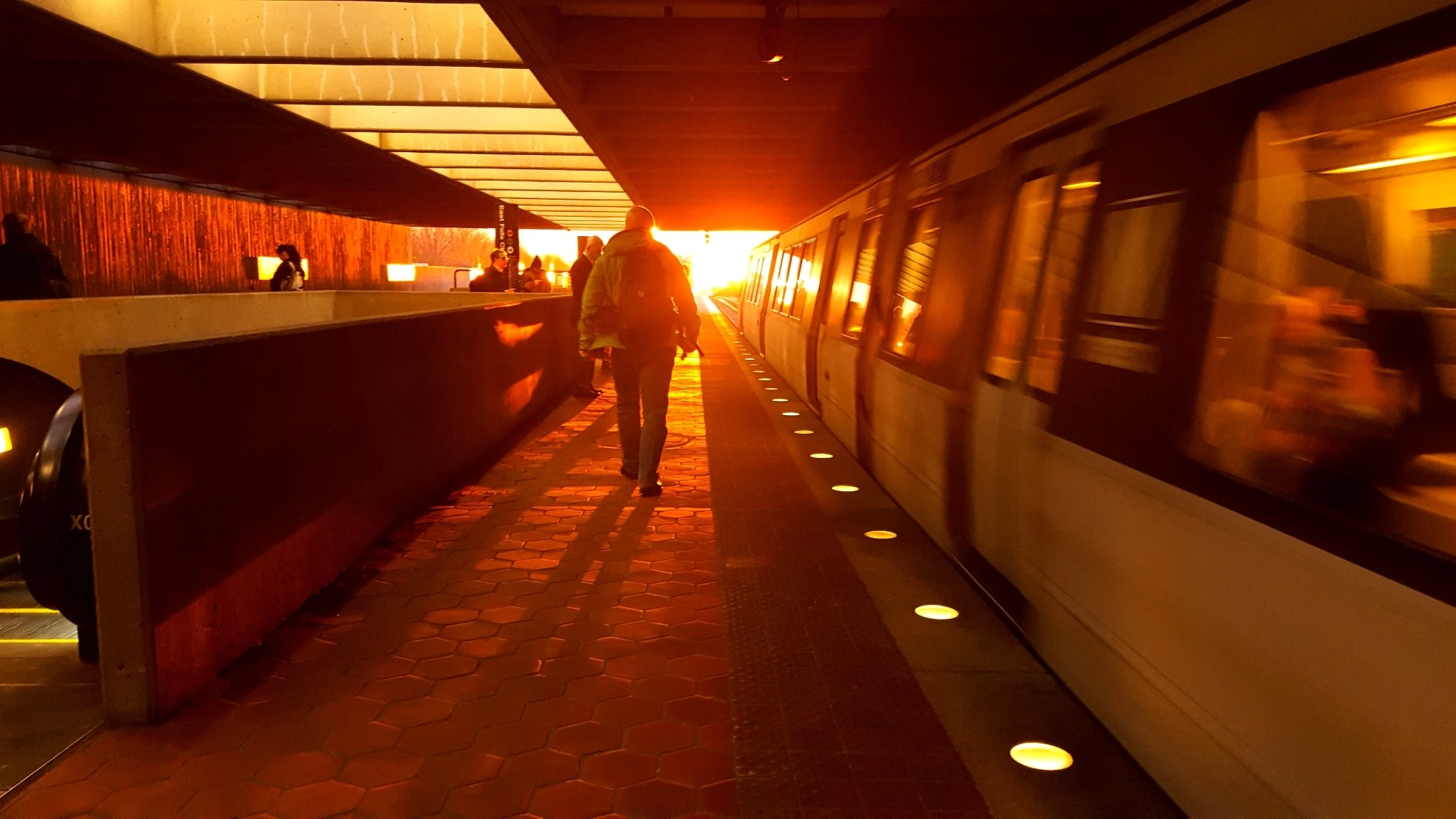
WMATA operates the Metrorail, Metrobus, and MetroAccess services, providing essential transportation for millions of commuters annually.
It serves the urban and suburban areas across Washington D.C., Virginia, and Maryland, making it one of the busiest transit systems in the U.S.
The authority also operates an extensive network of Metrobus routes, ensuring that public transport is accessible across a broad geographical area.
MetroAccess offers specialized paratransit services for individuals with disabilities, making transportation accessible for all.
WMATA’s projects include major capital improvements, such as rail station upgrades, new buses, and implementing advanced fare collection technologies.
A key aspect of WMATA's focus is to continually innovate, ensuring the transit system is safe, reliable, and sustainable for future generations.
Unique to WMATA is its commitment to serving not just the daily commuters, but also tourists, government employees, and those attending major events in the region.
Culture + Values
Recruit, hire and retain top talent where individuals feel valued, supported, and proud of their contribution
Engagement, empowerment, and recognition: empower employees, promote collaboration, and continuously improve culture
Professional and technical skill development: invest in staff, expand career pathways and develop next‑gen leaders and technical experts
Implement strategic workforce planning to close talent and skill gaps through recruiting, retraining, and upskilling
Establish employee value proposition to position Metro as a great place to work and increase overall satisfaction
Execute succession planning to ensure business continuity and reduce uncertainty among staff
Create performance evaluation framework that supports engagement and recognition
Develop culture‑change strategy to increase engagement across the organization
Create an innovation incubator to foster creativity and reward ideas that improve safety, efficiency, processes, and reduce silos
Develop internal customer‑service strategy to enable better collaboration and boost external customer service
Environment + Sustainability
7.37b Cost
Zero-Emission Transition Cost
Total lifecycle cost for transitioning to a zero-emission fleet through FY 2055.
35,000 Vehicles
Equivalent Energy Savings
Annual energy savings from the Energy Action Plan, equivalent to removing 35,000 vehicles from the roads.
65m Investment
Energy Action Plan Funding
Total investment in the FY 2025 Energy Action Plan, aiming for significant annual energy and operational savings.
2m Savings
Annual Lighting Savings
Annual savings from Philips LED lighting retrofit since 2013.
Transition to 100% zero‑emission bus fleet by 2042 (accelerated from 2045)
Achieve 100% zero‑emission bus purchases by 2027
Have five of nine bus garages equipped for zero‑emission buses by 2031, first garage operational by 2027, all by 2041
Deploy 10 battery‑electric buses by 2024 as part of pilot and evaluation
Construct modern, efficient facilities following LEED standards
Implement solar carports generating clean energy, featuring LED lighting, security cameras and shaded parking
Pilot sustainability calculator in Trip Planner so riders can see carbon‑footprint reduction
Inclusion & Diversity
42% Female
Employee Diversity
Approximately 42% of the workforce consists of female employees, as reported on LinkedIn.
Recruit and hire a workforce that reflects the community served.
Value the ideas, enthusiasm, and ambition each person brings.
Respect and value employees, recognizing their essential contributions.
Equal-Opportunity Employer: Consider all qualified applicants without regard to race, color, religion, sex, sexual orientation, gender identity, national origin, disability, veteran status, etc.
Diverse workforce supports world-class transit service.
Ongoing recruitment plans include building diverse candidate pools.