Formulates ideas to solve problems, improve efficiency, cost, or safety. Works with management and staff members to develop ideas and implement solutions to resolve problems and/or improve efficiency. Serves on various teams to implement strategic initiatives. Manages continuous change and adapts business processes, as necessary. Assists other managers in the adaptation and implementation of change.
Provides short-and long-term planning that defines objectives for maintenance areas, meets necessary budget requirements, creates schedules, and allocates staff appropriately. Assists in the development and implementation of functional level strategy.
Assists in the restructuring of various departments to achieve strategic objectives and/or development of new services under Maintenance Services to achieve strategic objectives; makes recommendations for organizational changes, personnel requirements, and job descriptions.
Responsible for supervising and directing subordinate staff. Evaluates performance, recommends developmental action or corrective action, provides on-the-job coaching and disciplines when necessary. Handles complaints in accordance with Sewer District policy and holds grievance and disciplinary hearings. Supports staff development. Makes recommendations on hires, promotions, transfers, and terminations. Maintains staff training and active participation in all functions and certifications required for specific job qualifications.
Sets priorities and allocates resources (people, materials, and money) to coordinate maintenance activities and identify the need for capital equipment, improvements, and expenditures.
Reviews the operating and minor capital budgets for the maintenance-related expenditures for the Maintenance Services departments in order to ensure adherence to those budgets. Works with appropriate staff on creating and controlling financial budgets. Assists in the preparation and presentation of the department's annual budget.
Completes routine administration duties, including writing correspondence, describing technical situations in lay terms; creates proposals; and keeps detailed records.
Assists the Superintendent in directing and implementing processes to work within Sewer District policies and procedures to ensure adherence to the law, to meet permit regulations and standards and maintain safety. Reviews accident investigation reports and makes recommendations and takes appropriate actions, as necessary.
Serves in various roles within the Sewer District’s incident command structure during large-scale emergencies. May oversee emergency response in department related emergencies and may serve as incident commander. Provides guidance for the emergency response plans and participates in and helps develop crisis response drills.
Integrates verbal and numerical information to create reports that are understood by a wide variety of audiences and to estimate staffing and resource needs. Analyzes a wide variety of information for decision-making. Develops various reports for various audiences such as subordinates, Superintendents, and Directors. Gives presentations at internal department meetings, board meetings, and community meetings.
Works with department managers to assess, evaluate and improve maintenance management system outputs to ensure quality in order to minimize the Sewer District’s risk for permit violations and to meet key performance indicators. Ensures standardization of maintenance practices and continuous improvement initiatives are implemented.
Plans, conducts, and participates in meetings and cross functional teams in which the collective resources of the group members are used efficiently.
Works with subordinates to develop and implement related goals and monitor the alignment of goals. Works with appropriate staff to help prioritize work and keep projects and programs on track.
Provides support as required when administrating and/or developing contracts and specifications. Reviews and evaluates engineering designs, plans, and specifications for recommendations. Manages projects and prepares specifications for bid documents, when necessary. Ensures maintenance contracts are executed, managed, and adhere to Sewer District policies and guidelines.
Serves as Superintendent of Maintenance Services in their absence.
Addresses problems associated with maintaining existing and installing new utility infrastructure by consulting with appropriate departments, consultants, and vendors.
Oversees and ensures appropriate direction of proactive management. Plans, schedules, and implements preventive maintenance programs within the Maintenance Services Departments. Ensures standby equipment is available and in proper operating condition. Oversees and ensures the monitoring of various equipment to identify malfunctions. Approves repairs or replacements of components and equipment. Ensures proper inventory of parts and supplies.
Requirements
driver's license
bachelor's
class ii
microsoft office
project management
wastewater
Candidate must possess a valid driver’s license with a driving record in accordance with the Sewer District’s acceptable guidelines.
Equivalent combination of relevant education and experience may be substituted as outlined in the Education Equivalencies Policy.
Candidate must possess effective verbal and written communication and facilitation skills.
Candidate must possess strong skills in managerial, leadership, project management and data analysis skills.
Experience must include three (3) years of supervising, managing and/or leading people, projects, or processes.
Candidate must possess a bachelor’s degree in Business Administration, Environmental Science, Natural Science, Engineering, or a closely related field.
Experience in working with Collective Bargaining Union workforce and contractors preferred.
Candidate must possess five (5) years of experience in wastewater collection systems, wastewater treatment or manufacturing,
Must be proficient in Microsoft Office, including Word, Excel, and PowerPoint.
Candidate must possess a valid Ohio EPA Class II Wastewater Collection System Operator Certificate or Valid Ohio EPA Class II Wastewater Treatment Operator Certificate at the time of being placed in the position or within thirty-six (36) months of being placed in the position.
Candidate must have the ability to use sound judgment to set and execute short- and long-term objectives, provide direction and make effective decisions involving people, processes, and data.
Benefits
Information not given or found
Training + Development
Information not given or found
Interview process
Information not given or found
Visa Sponsorship
Information not given or found
Security clearance
Information not given or found
Company
Overview
1972
Year Founded
The organization was established in response to the Cuyahoga River fire crisis.
Hundreds of millions
Annual Budget
Funds critical updates to systems draining into Lake Erie and local rivers.
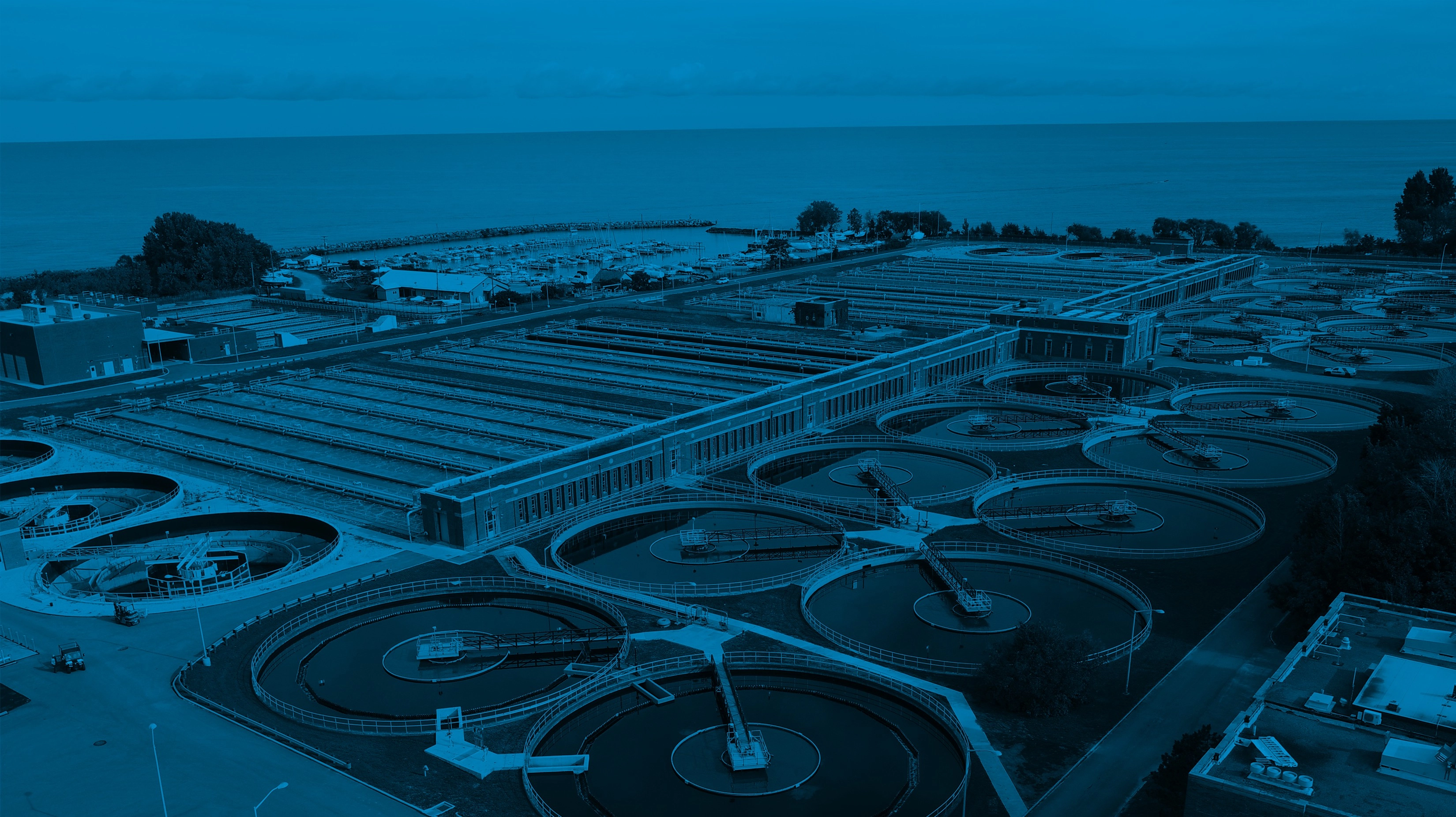
Oversees three major wastewater plants—Easterly, Southerly, and Westerly—and an extensive interceptor sewer network.
Projects range from massive treatment-plant upgrades to green stormwater infrastructure in suburban and urban communities.
Known for rigorous sector expertise in utilities, water resources, and infrastructure, coordinating across 60+ municipalities.
An unusual legacy: created directly in response to the infamous 1969 Cuyahoga River fire, it now safeguards the river it once rescued.
Culture + Values
Ethics, Honesty, and Transparency: Maintain the highest standards with our customers, our business partners, and each other.
Environmental stewardship: Initiate and maintain effective practices of environmental sustainability through a commitment to a better tomorrow, a healthy environment, and strong communities.
Customer Focus: Collaborate effectively with internal and external customers when considering decisions, policies, and programs.
Balanced and Informed Decision Making: Formulate quality decisions based on objective metrics, analysis of our systems, customer needs, safe practices, and organizational goals, ideas, and perspectives.
Progressive Culture: Facilitate positive changes and innovation that benefit the organization, our industry, and the region while fostering a learning environment and an engaged workforce.
Equity: Ensure that diversity, equity, and inclusion principles, policies, and practices are embedded into our work at all levels of the organization.
Accountability: Accept responsibility, account for one’s action, and deliver on individual and collective commitments.
Respect: Demonstrate high regard, value, and consideration for self, others, community, and the environment.
Environment + Sustainability
14 million dollars
Stormwater Grant Funding
The 2014–2023 Green Infrastructure Grant Program funded 84 projects capturing/treating 38.2 million gallons of stormwater annually.
1.5 million dollars
Annual Stormwater Capacity
2023 grants helped fund seven projects projected to capture almost 3 million gallons of runoff per year.
Defined sustainability principles in 2019 to guide long-term impact, covering informed decision-making, waste/energy reduction, co-benefits, resiliency planning, water quality, and erosion control.
Optimize function and resiliency of regional stormwater system by maintaining or improving water quality, mitigating flooding, and arresting stormwater-induced erosion.
Promotes conservation, efficiency, and co-benefits; considers aging infrastructure, impervious surfaces, water variability, and climate change in decision-making.
Green infrastructure strategy includes combined-sewer overflow controls, community infrastructure, watershed restoration, permit compliance and stormwater management programs.
Inclusion & Diversity
2011 Recognition
Award for Diversity Excellence
Recognized by Greater Cleveland Partnership for achievements in Board, Senior Management, Workforce, and Supplier Diversity.
2020 Equity Commitment
Advancing Diversity Programs
Recommitted to diversity, equity, and inclusion through initiatives like the Water Equity Task Force and Good Neighbor Ambassadors program.
Committed to equal opportunity by prohibiting discrimination on various protected characteristics.
Ensures equal employment opportunities in all aspects of employment, including hiring, promotions, training, and compensation.
Provides religious and disability accommodations as required by the ADA.
DEI Program aims to be an inclusive employer where all identities and experiences contribute to performance excellence.
Defines key concepts: Diversity as differences, Equity as policies removing barriers, Inclusion as leveraging differences, and Engagement as fostering purpose and impact among employees.
CEO emphasizes the importance of employee uniqueness in creating a welcoming environment.