
Assist the Warehouse Manager in overseeing daily warehouse activities, including receiving, storage, and distribution of materials.
Conduct regular cycle counts and complete physical inventories; reconcile discrepancies.
Coordinate logistics for material deliveries to refinery units and maintenance teams.
Provide supervision to Warehouse Clerks during the Warehouse Managers absence
Support turnaround and capital projects with inventory planning and control.
Ensure compliance with refinery safety standards, environmental regulations, and company policies.
Prepare inventory reports and metrics for management review.
Monitor stock levels and reorder points to prevent shortages or overstocking.
Analyze inventory data to identify trends, inefficiencies, and opportunities for improvement.
Maintain accurate inventory records using ERP systems (SAP, Oracle, etc.).
As needed, provide supervision to warehouse clerks and ensure adherence to safety protocols and operational procedures.
May be required to drive a forklift for extended periods, operate a pallet jack, and use hand trucks or tools
Assist in audits and inspections related to warehouse and inventory operations.
Ensure proper handling and storage of hazardous and non-hazardous materials.
Requirements
maximo
acumatica
excel
forklift
supply chain
physical
Must be able to pass a physical test of pushing, pulling, and lifting a minimum of 50 lbs. Must be able to manipulate various hand tools.
Organizational, leadership, and communication skills.
Detail-oriented and able to multitask, prioritize, and meet deadlines to fulfill the demands of field staff, contractors, and all customers
Proficiency in ERP systems (Maximo and Acumatica) and Microsoft Excel.
Forklift certification and familiarity with PPE and safety procedures.
Prolonged periods of sitting at a desk and working on a computer
Associate or bachelor’s degree in supply chain, Logistics, Business, or related field preferred, or 3+ years of experience in warehouse and inventory roles, preferably in a refinery or industrial setting.
Strong verbal and written communication skills required
Benefits
Information not given or found
Training + Development
Information not given or found
Interview process
Information not given or found
Visa Sponsorship
Information not given or found
Security clearance
Information not given or found
Company
Overview
124K Acres
Land Cultivated
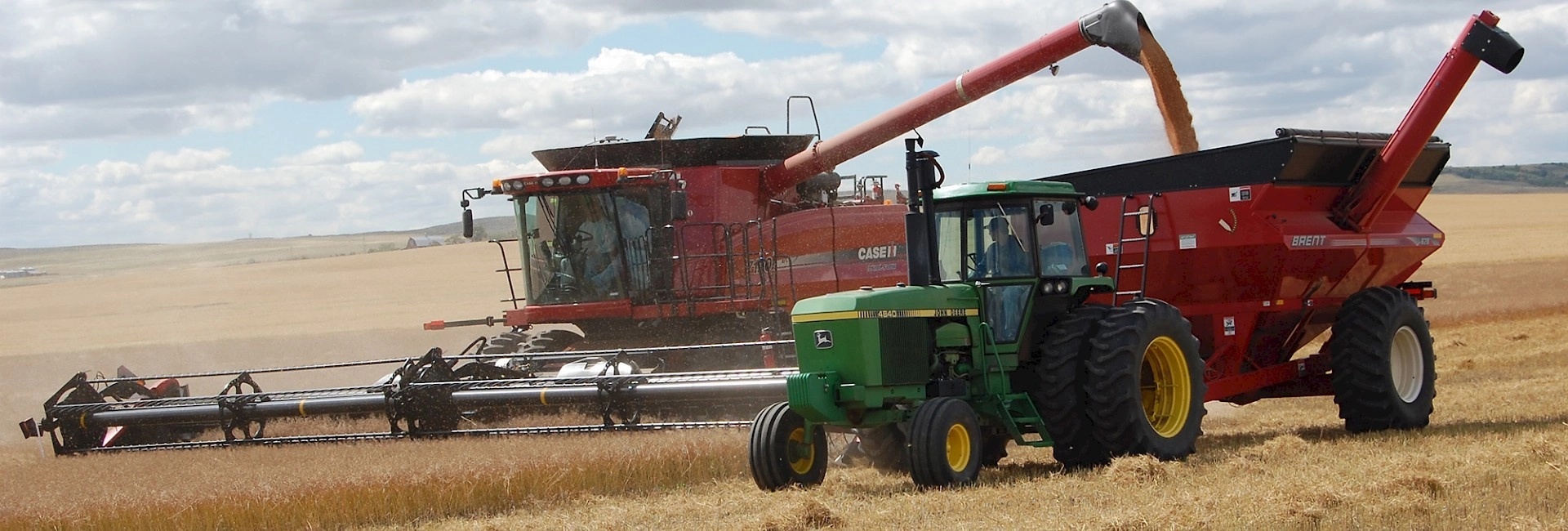
Over 124,000 acres of camelina are cultivated by approximately 500 growers, enabling ultra-low carbon intensity fuel production.
210M Gallons
Annual Production Capacity
The Bakersfield refinery produces up to 210 million gallons of renewable diesel annually as part of a farm-to-fuel model.
450K Barrels
Production Output
Since December 2024, the Bakersfield plant has produced approximately 450,000 barrels of renewable diesel.
$2.1B Restructuring
Financial Restructuring
Filed for Chapter 11 in April 2025 amid a $2.1 billion restructuring to streamline debts and continue operations.
Pioneered non‑food camelina seed as a feedstock for renewable fuels.
Built the world’s largest proprietary portfolio of camelina genetics and expanded globally through SusOils and Camelina Company España.
Entered into major offtake and investment agreements—with ExxonMobil and Vitol—to support its vertically integrated model.
Combines upstream plant science, midstream logistics, and downstream refining to deliver scalable, low‑carbon fuels.
Culture + Values
Zero Environmental Impact
Innovative Technologies
Committed to eliminating environmental and social impacts through cutting-edge technologies and sustainable practices.
Environmental, social, and economic sustainability drive our business philosophy.
Maintaining corporate sustainable policies and practices for all stakeholders is a core commitment.
Sourcing directly from farmers to enhance quality and improve farm economics by reducing intermediaries.
Ensuring the safety of employees and neighboring communities through risk prevention, education, and notifications.
Providing well-paying, living-wage career opportunities across the entire value chain.
Environment + Sustainability
7 gCO₂e/MJ
Camelina Carbon Intensity Score
The company's camelina-based feedstock achieves a carbon intensity score of 7 gCO₂e/MJ, significantly lower than soy-based feedstock (~50 gCO₂e/MJ).
90% GHG Reduction
Renewable Diesel Emissions
The Bakersfield facility produces renewable diesel with 90% lower greenhouse gas emissions compared to petroleum diesel.
75% Emission Reduction
Rail Transport Efficiency
Rail transport of feedstock reduces transportation-related greenhouse gas emissions by up to 75%.
Target to achieve net‑zero greenhouse gas footprint on all finished fuels including renewable diesel, propane, naphtha, and future sustainable aviation fuel.
Vertical integration from proprietary plant science through farm‑to‑fuel lowers carbon intensity and cost throughout the chain.
Use of big data analytics enables end‑to‑end visibility, measurement, and validation of ultra‑low‑carbon fuel performance.
Inclusion & Diversity
No publicly disclosed DEI strategy or gender‑related data available.