
Assists in developing and initiating methods and procedures for inspections and investigations
Review, and provide input to into the integrity management system (IMS) and support refinery inspection intervals
Utilizes industry best practices, techniques, and standards
Supports and coordinates inspection and nondestructive testing, keeping accurate and detailed records of all inspections
Assists in verifying and documenting qualifications of contract personnel and employees who are performing technical inspection and nondestructive testing in the refinery; supports the quality control of all the welding in the refinery ensuring all work meets applicable standards
Integrate with Contractor’s software to ensure the transparency, commonality and accuracy of PEI scope, documentation, performance, drawings, reporting, and scheduling
Provide after-hours support when appropriate – emergency call out as needed
Assists in developing PEI-related work scope for turnarounds and other outages
Maintain records concerning inspections on all equipment and piping
Perform field inspections which include conducting destructive and non-destructive testing, assessing fixed equipment health, pressure vessel and piping code inspections, etc.
Provides input and implements record keeping systems for collecting and retaining inspection data
Provide supervisor with input as needed for troubleshooting and recommendations based on industry standards and technical knowledge.
Supports defining, implementation, and tracking the system-wide refinery inspection program of all equipment and piping active in the facility
Assists in reviewing and approving equipment and piping drawings, specifications, and installations
Requirements
bs mechanical
pei inspection
api 510
nde levelii
google suite
leadership
Proven ability to provide pressure equipment support for large complex industrial projects
Excellent time management skills with a proven ability to meet deadlines
BS degree in Mechanical Engineering, Metallurgy, Corrosion, or equivalent experience in energy industry preferred
Must be able to climb ladders and or stairs on tanks, vessels and structures; wear respirator; work around equipment containing high pressures and temperatures and various chemicals
Prolonged periods of standing and walking
Strong supervisory and leadership skills
Possess a good understanding of standard NDE techniques and applications
Strong interpersonal skills and resourcefulness
Proficient with Google Suite and Microsoft Office Suite of products
Excellent verbal and written communication skills
Ability to function well in a high-paced and at times stressful environment
Knowledge of ASME and API requirements
Ability to work in confined spaces and wear self-contained breathing apparatus
Ability to prioritize tasks and to delegate them when appropriate
Strong technical, analytical and problem-solving skills
10+ years of PEI inspection, operation, and maintenance leadership experience in petrochemical or heavy industrial sectors required
Knowledge and usage of IMS database systems
Level II certifications in all NDE disciplines: Ultrasonic Thickness Testing, Dye Penetrant Testing, Radiography, Magnetic Particle Testing, and Leak Testing preferred
Ability to perform repetitive movements over long periods of time
Requires frequent reaching, stooping, bending, kneeling, and crouching
Requires lifting, positioning, pushing, and/or transferring equipment and materials
Completion of high school diploma or equivalent required
Excellent organizational skills and attention to detail
Must be able to pass a physical test of pushing, pulling, and lifting a minimum of 50 lbs
Experience in seeing projects through the full life cycle
Prolonged periods of sitting at a desk and working on a computer
API 510, API 570, and API 653 certifications and Certified Welding Inspector (CWI) preferred
Benefits
Information not given or found
Training + Development
Information not given or found
Interview process
Information not given or found
Visa Sponsorship
Information not given or found
Security clearance
Information not given or found
Company
Overview
124K Acres
Land Cultivated
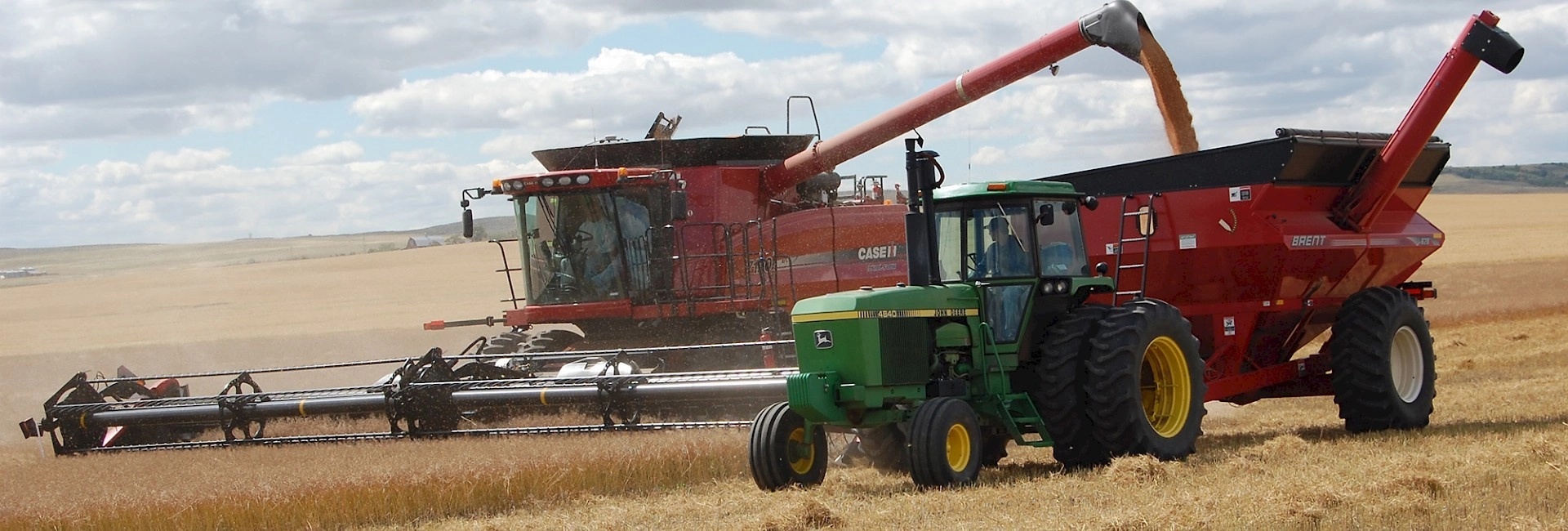
Over 124,000 acres of camelina are cultivated by approximately 500 growers, enabling ultra-low carbon intensity fuel production.
210M Gallons
Annual Production Capacity
The Bakersfield refinery produces up to 210 million gallons of renewable diesel annually as part of a farm-to-fuel model.
450K Barrels
Production Output
Since December 2024, the Bakersfield plant has produced approximately 450,000 barrels of renewable diesel.
$2.1B Restructuring
Financial Restructuring
Filed for Chapter 11 in April 2025 amid a $2.1 billion restructuring to streamline debts and continue operations.
Pioneered non‑food camelina seed as a feedstock for renewable fuels.
Built the world’s largest proprietary portfolio of camelina genetics and expanded globally through SusOils and Camelina Company España.
Entered into major offtake and investment agreements—with ExxonMobil and Vitol—to support its vertically integrated model.
Combines upstream plant science, midstream logistics, and downstream refining to deliver scalable, low‑carbon fuels.
Culture + Values
Zero Environmental Impact
Innovative Technologies
Committed to eliminating environmental and social impacts through cutting-edge technologies and sustainable practices.
Environmental, social, and economic sustainability drive our business philosophy.
Maintaining corporate sustainable policies and practices for all stakeholders is a core commitment.
Sourcing directly from farmers to enhance quality and improve farm economics by reducing intermediaries.
Ensuring the safety of employees and neighboring communities through risk prevention, education, and notifications.
Providing well-paying, living-wage career opportunities across the entire value chain.
Environment + Sustainability
7 gCO₂e/MJ
Camelina Carbon Intensity Score
The company's camelina-based feedstock achieves a carbon intensity score of 7 gCO₂e/MJ, significantly lower than soy-based feedstock (~50 gCO₂e/MJ).
90% GHG Reduction
Renewable Diesel Emissions
The Bakersfield facility produces renewable diesel with 90% lower greenhouse gas emissions compared to petroleum diesel.
75% Emission Reduction
Rail Transport Efficiency
Rail transport of feedstock reduces transportation-related greenhouse gas emissions by up to 75%.
Target to achieve net‑zero greenhouse gas footprint on all finished fuels including renewable diesel, propane, naphtha, and future sustainable aviation fuel.
Vertical integration from proprietary plant science through farm‑to‑fuel lowers carbon intensity and cost throughout the chain.
Use of big data analytics enables end‑to‑end visibility, measurement, and validation of ultra‑low‑carbon fuel performance.
Inclusion & Diversity
No publicly disclosed DEI strategy or gender‑related data available.