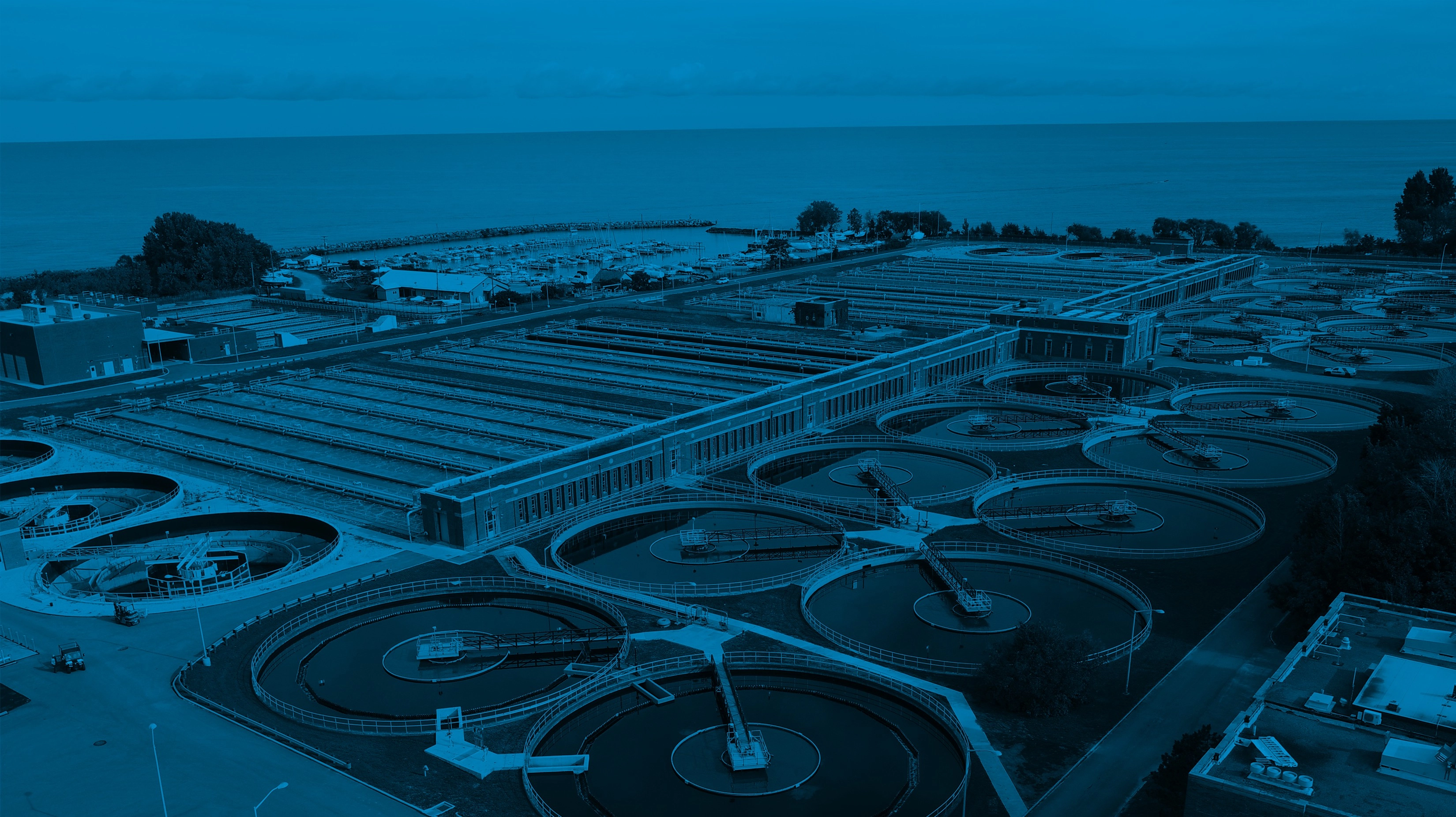

Manages wastewater treatment and stormwater systems to protect waterways in Greater Cleveland.
Intern supports wastewater, water quality, stormwater, and engineering projects at NEORSD.
5 days ago ago
Entry-level
Internship
Cleveland, OH
Onsite
Company Size
767 Employees
Service Specialisms
Wastewater treatment
Stormwater management
Combined sewer overflow control
Industrial waste control
Interceptor sewer operation
Watershed protection and planning
Sector Specialisms
Wastewater Treatment
Interceptor Sewers
Combined Sewer Overflow Control
Industrial Waste Control
Watershed Protection
Stormwater Management
Water Quality Management
Environmental Compliance
Role
Description
data sampling
field observation
gis navigation
trend analysis
excel management
lab analysis
Assist with sampling and analyzing data within a wastewater treatment facility
Performs field observations as needed to collect data, observe various field conditions and construction & operational activities
Build deeper understanding of Environmental Compliance on local, state, and federal safety regulations
Reads and interprets design drawings and specifications using engineering theory and construction practices
Navigate through NEORSD’s GIS resources and tools to understand how assets are tracked
Develop trends using plant computer monitoring system to assist with operational decisions
Assists with the development of project scopes, budgets, schedules, reports, memos, correspondence, and PowerPoint presentations
Review applications for Member Community Infrastructure Program
Assist with Business Programs inspections and wastewater monitoring
Maintain Aquatic organisms (fathead minnows and water fleas) for Whole Effluent Toxicity (WET) testing
Assists with the review of technical deliverables including design drawings and specifications, technical memoranda, and project data
Assist with researching information for process optimization within a wastewater treatment facility
Support Green Infrastructure grants pre-proposal process
Utilizes Excel, SharePoint and Geographic Information System (GIS) to assist with data evaluation and management
Utilize excel for data entry and tracking
Assist with public outreach initiatives related to the work of NEORSD
Assists in the identification of problems, research, evaluation of possible solutions/alternatives, and data analysis
Document field activities in journals and reports
Assist with Industrial Pretreatment Program facility inspections and industrial wastewater monitoring
Conduct daily beach monitoring
Assist with Illicit Discharge Detection & Elimination (IDDE) investigations
Assist with creating spreadsheets and reports
Assist with Environmental Assessment investigations and water quality monitoring
Assist in the laboratory with sample aliquoting and chemical/biological analyses
Requirements
central state
bachelor's
master's
entry-level
engineering
problem solving
Candidate must be enrolled at Central State University in a bachelor’s or master’s degree program on the date of application.
Performs entry-level engineering and analysis work, utilizing engineering theory and problem-solving skills
Declared Majors: Water Resources Management, Environmental Engineering, Environmental Science, or a related field of study
Benefits
Gain exposure to Regional Stormwater Management Programs’ impact to NEORSD and member communities
Training + Development
Information not given or found
Interview process
Information not given or found
Visa Sponsorship
Information not given or found
Security clearance
Information not given or found
Company
Overview
1972
Year Founded
The organization was established in response to the Cuyahoga River fire crisis.
Hundreds of millions
Annual Budget
Funds critical updates to systems draining into Lake Erie and local rivers.
Oversees three major wastewater plants—Easterly, Southerly, and Westerly—and an extensive interceptor sewer network.
Projects range from massive treatment-plant upgrades to green stormwater infrastructure in suburban and urban communities.
Known for rigorous sector expertise in utilities, water resources, and infrastructure, coordinating across 60+ municipalities.
An unusual legacy: created directly in response to the infamous 1969 Cuyahoga River fire, it now safeguards the river it once rescued.
Culture + Values
Ethics, Honesty, and Transparency: Maintain the highest standards with our customers, our business partners, and each other.
Environmental stewardship: Initiate and maintain effective practices of environmental sustainability through a commitment to a better tomorrow, a healthy environment, and strong communities.
Customer Focus: Collaborate effectively with internal and external customers when considering decisions, policies, and programs.
Balanced and Informed Decision Making: Formulate quality decisions based on objective metrics, analysis of our systems, customer needs, safe practices, and organizational goals, ideas, and perspectives.
Progressive Culture: Facilitate positive changes and innovation that benefit the organization, our industry, and the region while fostering a learning environment and an engaged workforce.
Equity: Ensure that diversity, equity, and inclusion principles, policies, and practices are embedded into our work at all levels of the organization.
Accountability: Accept responsibility, account for one’s action, and deliver on individual and collective commitments.
Respect: Demonstrate high regard, value, and consideration for self, others, community, and the environment.
Environment + Sustainability
14 million dollars
Stormwater Grant Funding
The 2014–2023 Green Infrastructure Grant Program funded 84 projects capturing/treating 38.2 million gallons of stormwater annually.
1.5 million dollars
Annual Stormwater Capacity
2023 grants helped fund seven projects projected to capture almost 3 million gallons of runoff per year.
Defined sustainability principles in 2019 to guide long-term impact, covering informed decision-making, waste/energy reduction, co-benefits, resiliency planning, water quality, and erosion control.
Optimize function and resiliency of regional stormwater system by maintaining or improving water quality, mitigating flooding, and arresting stormwater-induced erosion.
Promotes conservation, efficiency, and co-benefits; considers aging infrastructure, impervious surfaces, water variability, and climate change in decision-making.
Green infrastructure strategy includes combined-sewer overflow controls, community infrastructure, watershed restoration, permit compliance and stormwater management programs.
Inclusion & Diversity
2011 Recognition
Award for Diversity Excellence
Recognized by Greater Cleveland Partnership for achievements in Board, Senior Management, Workforce, and Supplier Diversity.
2020 Equity Commitment
Advancing Diversity Programs
Recommitted to diversity, equity, and inclusion through initiatives like the Water Equity Task Force and Good Neighbor Ambassadors program.
Committed to equal opportunity by prohibiting discrimination on various protected characteristics.
Ensures equal employment opportunities in all aspects of employment, including hiring, promotions, training, and compensation.
Provides religious and disability accommodations as required by the ADA.
DEI Program aims to be an inclusive employer where all identities and experiences contribute to performance excellence.
Defines key concepts: Diversity as differences, Equity as policies removing barriers, Inclusion as leveraging differences, and Engagement as fostering purpose and impact among employees.
CEO emphasizes the importance of employee uniqueness in creating a welcoming environment.